Buy ynh.eu ?
We are moving the project
ynh.eu .
Are you interested in purchasing the domain
ynh.eu ?
domain@kv-gmbh.de · 0541-91531010
Buy ynh.eu ?
Which option is better: textured wallpaper or textured paint?
The choice between textured wallpaper and textured paint ultimately depends on personal preference and the specific needs of the space. Textured wallpaper can add depth and dimension to a room, but it may be more difficult to install and remove compared to textured paint. Textured paint, on the other hand, is easier to apply and can be customized to achieve different textures and effects. Consider factors such as maintenance, cost, and desired aesthetic when deciding between the two options. **
Which option do you prefer, textured plaster or textured wallpaper?
I prefer textured plaster over textured wallpaper. Textured plaster provides a more authentic and natural look, as it is applied directly to the wall and can be customized to suit the specific design aesthetic. Additionally, textured plaster is more durable and long-lasting compared to textured wallpaper, which can peel or tear over time. Overall, I find textured plaster to be a more versatile and visually appealing option for adding texture to a space. **
Similar search terms for Sagebrook-Home-Textured-Round
Top-Angebote
Products related to Sagebrook-Home-Textured-Round:
-
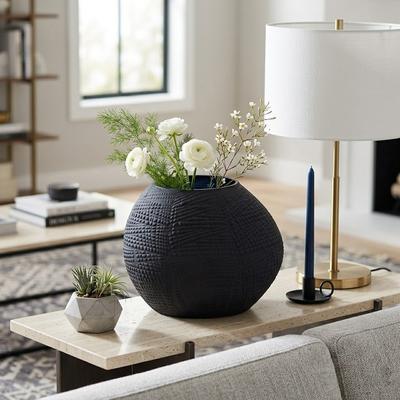
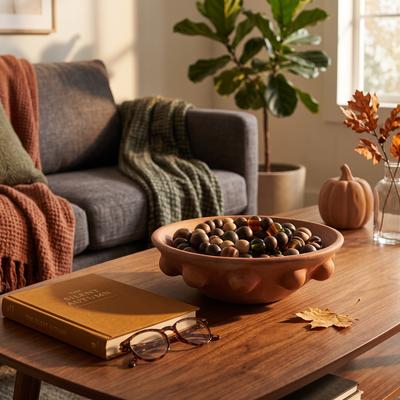
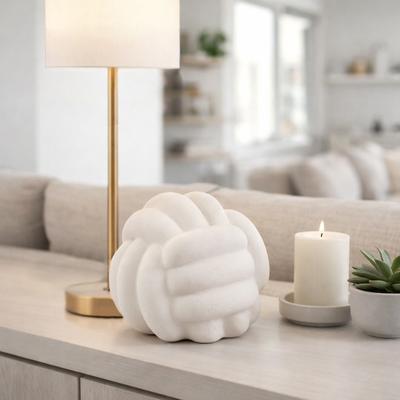
Sagebrook Home Modern Round Textured Knotted Ceramic Orb SculptureCrafted from ceramic with a smooth matte finish, this sculptural orb brings subtle dimension and texture to your space while complementing modern farmhouse decor with its clean, rounded form.27,49 $*Shipping: 0,00 $Secure redirect to the provider


-
How can you apply textured plaster on a textured wallpaper?
To apply textured plaster on a textured wallpaper, you will first need to prepare the wallpaper by cleaning it thoroughly and allowing it to dry completely. Then, apply a primer to the wallpaper to create a smooth surface for the textured plaster to adhere to. Once the primer is dry, you can apply the textured plaster using a trowel or a putty knife, working in small sections to ensure even coverage. After the plaster has been applied, you can use a textured roller or a brush to create the desired texture. Allow the plaster to dry completely before applying any paint or sealant. **
-
What is textured paint 2?
Textured paint 2 is a type of paint that contains additives such as sand, silica, or other materials to create a textured finish on surfaces. This type of paint is often used to add depth and dimension to walls, ceilings, or furniture, and can help hide imperfections in the surface. Textured paint 2 can come in a variety of finishes, from subtle to more pronounced textures, allowing for a customized look in interior design. **
-
Why are round numbers called round numbers?
Round numbers are called "round" because they are easy to work with and understand. They are multiples of 10, which makes them easy to divide, multiply, and round off. Their simplicity and ease of use make them "round" in the sense that they are smooth and convenient for calculations and estimations. This term has been used for centuries to describe numbers that are easily manageable and divisible. **
-
Should one round down or round up?
Whether to round down or round up depends on the specific situation and the context in which the rounding is being applied. In general, if the decimal portion is less than 0.5, it is common to round down, and if the decimal portion is 0.5 or greater, it is common to round up. However, it is important to consider the impact of rounding on the overall accuracy and fairness of the calculation. In some cases, rounding up may be more appropriate to ensure that the result is not underestimated, while in other cases, rounding down may be more appropriate to avoid overestimation. Ultimately, the decision should be based on the specific requirements and goals of the calculation. **

How do you remove textured plaster?
To remove textured plaster, you can start by using a putty knife or scraper to gently chip away at the texture. You can also try using a heat gun to soften the plaster, making it easier to scrape off. Another method is to use a chemical paint stripper to dissolve the plaster. It's important to wear protective gear and work carefully to avoid damaging the underlying surface. **
How do I paint textured plaster?
To paint textured plaster, follow these steps: 1. Clean the surface: Use a damp cloth to wipe down the textured plaster to remove any dust, dirt, or debris. Allow the surface to dry completely before proceeding. 2. Prime the surface: Apply a coat of primer to the textured plaster to help the paint adhere better and provide a more even finish. Use a roller or brush to apply the primer evenly and allow it to dry according to the manufacturer's instructions. 3. Choose the right paint: Select a paint that is suitable for textured surfaces, such as a high-quality acrylic paint. Make sure to choose a color that complements the overall look and feel of the room. 4. Apply the paint: Use a roller or brush to apply the paint to the textured plaster. Work in small sections, starting from the top and working your way down. Make sure to apply the paint evenly and in a consistent direction to maintain a uniform finish. 5. Allow the paint to dry: Let the first coat of paint dry completely before applying a second coat if needed. Follow the drying time recommended by the paint manufacturer. 6. Touch up any areas: Once the paint is dry, inspect the surface for any areas that may need touch-ups. Use a brush to carefully touch up any missed spots or imperfections. 7. Seal the paint (optional): If desired, you can apply a clear sealer to protect the painted surface and enhance its durability. Follow the manufacturer's instructions for the sealer **
Top-Angebote
Products related to Sagebrook-Home-Textured-Round:
-
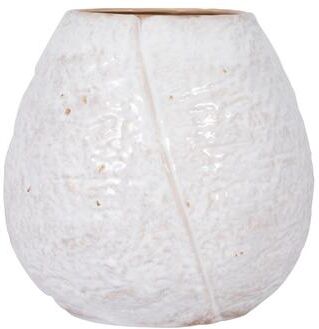
Sagebrook Home Ceramic Ivory Round Textured Round VaseUniquely designed and constructed to fit any taste and personality. Our vases are next level decor, durable, trend lasting, stylish, and are sure to make a stunning statement in any room.57,68 $*Shipping: 0,00 $Secure redirect to the provider
-
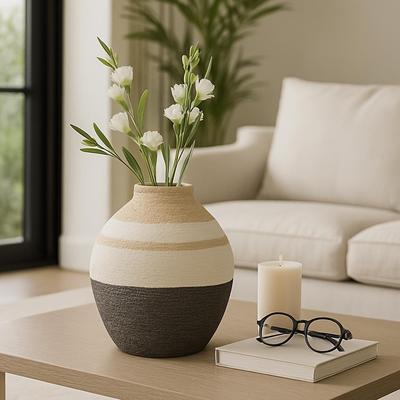
Sagebrook Home Striped Woven Textured Vase, Multi, RoundElevate your space with the Sagebrook Home Ceramic Vase, where elegance meets durability. Artfully crafted, this exquisite piece encapsulates timeless appeal and versatile functionality, perfect for any room.47,39 $*Shipping: 0,00 $Secure redirect to the provider
-
Sagebrook Home Modern Round Textured Knotted Ceramic Orb SculptureCrafted from ceramic with a smooth matte finish, this sculptural orb brings subtle dimension and texture to your space while complementing modern farmhouse decor with its clean, rounded form.27,49 $*Shipping: 0,00 $Secure redirect to the provider
-
Which option is better: textured wallpaper or textured paint?
The choice between textured wallpaper and textured paint ultimately depends on personal preference and the specific needs of the space. Textured wallpaper can add depth and dimension to a room, but it may be more difficult to install and remove compared to textured paint. Textured paint, on the other hand, is easier to apply and can be customized to achieve different textures and effects. Consider factors such as maintenance, cost, and desired aesthetic when deciding between the two options. **
-
Which option do you prefer, textured plaster or textured wallpaper?
I prefer textured plaster over textured wallpaper. Textured plaster provides a more authentic and natural look, as it is applied directly to the wall and can be customized to suit the specific design aesthetic. Additionally, textured plaster is more durable and long-lasting compared to textured wallpaper, which can peel or tear over time. Overall, I find textured plaster to be a more versatile and visually appealing option for adding texture to a space. **
-
How can you apply textured plaster on a textured wallpaper?
To apply textured plaster on a textured wallpaper, you will first need to prepare the wallpaper by cleaning it thoroughly and allowing it to dry completely. Then, apply a primer to the wallpaper to create a smooth surface for the textured plaster to adhere to. Once the primer is dry, you can apply the textured plaster using a trowel or a putty knife, working in small sections to ensure even coverage. After the plaster has been applied, you can use a textured roller or a brush to create the desired texture. Allow the plaster to dry completely before applying any paint or sealant. **
-
What is textured paint 2?
Textured paint 2 is a type of paint that contains additives such as sand, silica, or other materials to create a textured finish on surfaces. This type of paint is often used to add depth and dimension to walls, ceilings, or furniture, and can help hide imperfections in the surface. Textured paint 2 can come in a variety of finishes, from subtle to more pronounced textures, allowing for a customized look in interior design. **
Similar search terms for Sagebrook-Home-Textured-Round
-
Sagebrook Home Decorative Vase - Gold Glass Textured Round Bulbous, 18 in.This elegant glass vase gold tones brings a glam touch to any space, offering a versatile way to showcase fresh stems or simple greenery while enhancing your decorative home accents.123,99 $*Shipping: 0,00 $Secure redirect to the provider
-
Sagebrook Home Modern Round Textured Knotted Ceramic Orb SculptureCrafted from ceramic with a smooth matte finish, this sculptural orb brings subtle dimension and texture to your space while complementing modern farmhouse decor with its clean, rounded form.33,96 $*Shipping: 0,00 $Secure redirect to the provider
-
Why are round numbers called round numbers?
Round numbers are called "round" because they are easy to work with and understand. They are multiples of 10, which makes them easy to divide, multiply, and round off. Their simplicity and ease of use make them "round" in the sense that they are smooth and convenient for calculations and estimations. This term has been used for centuries to describe numbers that are easily manageable and divisible. **
-
Should one round down or round up?
Whether to round down or round up depends on the specific situation and the context in which the rounding is being applied. In general, if the decimal portion is less than 0.5, it is common to round down, and if the decimal portion is 0.5 or greater, it is common to round up. However, it is important to consider the impact of rounding on the overall accuracy and fairness of the calculation. In some cases, rounding up may be more appropriate to ensure that the result is not underestimated, while in other cases, rounding down may be more appropriate to avoid overestimation. Ultimately, the decision should be based on the specific requirements and goals of the calculation. **
-
How do you remove textured plaster?
To remove textured plaster, you can start by using a putty knife or scraper to gently chip away at the texture. You can also try using a heat gun to soften the plaster, making it easier to scrape off. Another method is to use a chemical paint stripper to dissolve the plaster. It's important to wear protective gear and work carefully to avoid damaging the underlying surface. **
-
How do I paint textured plaster?
To paint textured plaster, follow these steps: 1. Clean the surface: Use a damp cloth to wipe down the textured plaster to remove any dust, dirt, or debris. Allow the surface to dry completely before proceeding. 2. Prime the surface: Apply a coat of primer to the textured plaster to help the paint adhere better and provide a more even finish. Use a roller or brush to apply the primer evenly and allow it to dry according to the manufacturer's instructions. 3. Choose the right paint: Select a paint that is suitable for textured surfaces, such as a high-quality acrylic paint. Make sure to choose a color that complements the overall look and feel of the room. 4. Apply the paint: Use a roller or brush to apply the paint to the textured plaster. Work in small sections, starting from the top and working your way down. Make sure to apply the paint evenly and in a consistent direction to maintain a uniform finish. 5. Allow the paint to dry: Let the first coat of paint dry completely before applying a second coat if needed. Follow the drying time recommended by the paint manufacturer. 6. Touch up any areas: Once the paint is dry, inspect the surface for any areas that may need touch-ups. Use a brush to carefully touch up any missed spots or imperfections. 7. Seal the paint (optional): If desired, you can apply a clear sealer to protect the painted surface and enhance its durability. Follow the manufacturer's instructions for the sealer **
* All prices are inclusive of VAT and, if applicable, plus shipping costs. The offer information is based on the details provided by the respective shop and is updated through automated processes. Real-time updates do not occur, so deviations can occur in individual cases. ** Note: Parts of this content were created by AI.