Buy ynh.eu ?
We are moving the project
ynh.eu .
Are you interested in purchasing the domain
ynh.eu ?
domain@kv-gmbh.de · 0541-91531010
Buy ynh.eu ?
What distinguishes an LDR resistor from an NTC resistor?
An LDR (Light Dependent Resistor) is a type of resistor whose resistance decreases with an increase in the intensity of light. On the other hand, an NTC (Negative Temperature Coefficient) resistor is a type of resistor whose resistance decreases as the temperature increases. Therefore, the main distinguishing factor between the two is the parameter that affects their resistance - light intensity for LDR and temperature for NTC resistors. **
What are the tolerances for resistor chains and resistor cubes?
The tolerances for resistor chains and resistor cubes typically depend on the specific manufacturer and type of resistor used. However, in general, the tolerances for resistor chains and cubes are usually around 1-5%. This means that the actual resistance of the chain or cube may vary from the specified value by up to 1-5%. It is important to consider these tolerances when designing circuits to ensure accurate performance. **


Similar search terms for Resistor
Top-Angebote
Products related to Resistor:


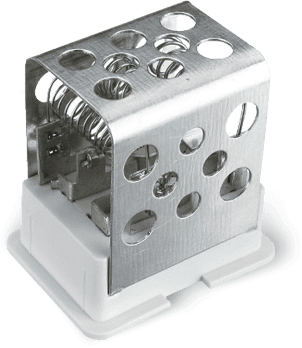
-
Is this a resistor?
No, this is not a resistor. Resistors are electronic components that limit the flow of electric current in a circuit. The image provided does not show a resistor, but rather a capacitor. Capacitors store and release electrical energy in a circuit, functioning differently from resistors. **
-
What is the difference between a load resistor and a regular resistor?
A load resistor is specifically designed to simulate the presence of a device in an electrical circuit, such as a light bulb or a motor, to ensure proper functioning of the circuit. It is used to test the performance of the circuit under different conditions. On the other hand, a regular resistor is a general-purpose component used to limit current, divide voltage, or provide biasing in a circuit. While both resistors resist the flow of current, a load resistor is tailored for specific testing purposes, whereas a regular resistor has a broader range of applications in electronic circuits. **
-
Is the LED current-limiting resistor as good as the pre-resistor?
The LED current-limiting resistor is not as good as the pre-resistor. The pre-resistor is specifically designed to limit the current flowing through the LED to a safe level, ensuring that the LED operates within its specified parameters. On the other hand, a regular current-limiting resistor may not provide the precise current regulation needed for the LED, leading to potential overcurrent and damage to the LED. Therefore, it is important to use the pre-resistor recommended by the LED manufacturer for optimal performance and longevity of the LED. **
-
How long is a resistor?
The length of a resistor can vary depending on its power rating and wattage. However, a standard resistor is typically around 0.25 inches to 1 inch in length. The length of a resistor is not the most important factor in determining its functionality, as its resistance value and power rating are more critical for its proper operation in an electrical circuit. **
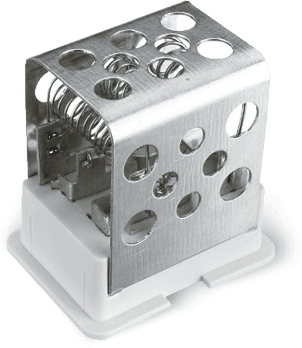

What is a resistor component?
A resistor component is an electrical component that is used to limit the flow of electric current in a circuit. It is designed to have a specific resistance value, which determines how much it impedes the flow of current. Resistors are commonly used in electronic circuits to control the amount of current flowing through different parts of the circuit, to protect components from excessive current, and to create specific voltage levels. They come in various shapes and sizes, and are made from materials that have high resistance, such as carbon or metal. **
What is an LDR resistor?
An LDR (Light Dependent Resistor) is a type of resistor whose resistance changes with the amount of light it is exposed to. When light falls on the LDR, its resistance decreases, and when there is no light, its resistance increases. This property makes LDRs useful in light-sensing applications such as automatic street lights, camera exposure control, and solar panels. LDRs are often used in combination with other electronic components to create light-sensitive circuits. **
Top-Angebote
Products related to Resistor:
-
Cornerstone Press Make Me Well: The Truth About the Wellness Industry, Supplements, and Personalised Health by Xand van TullekenIn a world of endless wellness advice, learn how to make smarter decisions about your health with the empowering new book from doctor and broadcaster Xand Van Tulleken. Drawing on original reporting, expert insight and real-world case studies, he explores: The truth about supplements and vitamins ― what works and what doesn’t The rise of at-home blood testing and personalised health plans How wearable technology (fitness trackers, sleep trackers, smartwatches) shapes our behaviour The promises and pitfalls of consumer genomics and DNA testing Why the line between healthcare and the wellness industry has become blurred There has never been a more confusing time to try to be healthy. From supplements and blood testing to wearable technology and consumer genomics, the modern wellness industry promises better energy, performance and longevity. But how much of it is science, and how much is marketing? In his groundbreaking book, Make Me Well, Xand van Tulleken investigates the new Wild West of the wellness industry, offering a clear, evidence-based guide to navigating today’s most popular health trends. With practical advice and accessible science, Make Me Well will help you cut through misinformation, avoid unnecessary costs, and make informed decisions about your physical and mental wellbeing. If you’ve ever wondered which health trends are worth your time and money, this is your essential guide to modern wellness.12,99 £*Shipping: 2,99 £Secure redirect to the provider
-
What distinguishes an LDR resistor from an NTC resistor?
An LDR (Light Dependent Resistor) is a type of resistor whose resistance decreases with an increase in the intensity of light. On the other hand, an NTC (Negative Temperature Coefficient) resistor is a type of resistor whose resistance decreases as the temperature increases. Therefore, the main distinguishing factor between the two is the parameter that affects their resistance - light intensity for LDR and temperature for NTC resistors. **
-
What are the tolerances for resistor chains and resistor cubes?
The tolerances for resistor chains and resistor cubes typically depend on the specific manufacturer and type of resistor used. However, in general, the tolerances for resistor chains and cubes are usually around 1-5%. This means that the actual resistance of the chain or cube may vary from the specified value by up to 1-5%. It is important to consider these tolerances when designing circuits to ensure accurate performance. **
-
Is this a resistor?
No, this is not a resistor. Resistors are electronic components that limit the flow of electric current in a circuit. The image provided does not show a resistor, but rather a capacitor. Capacitors store and release electrical energy in a circuit, functioning differently from resistors. **
-
What is the difference between a load resistor and a regular resistor?
A load resistor is specifically designed to simulate the presence of a device in an electrical circuit, such as a light bulb or a motor, to ensure proper functioning of the circuit. It is used to test the performance of the circuit under different conditions. On the other hand, a regular resistor is a general-purpose component used to limit current, divide voltage, or provide biasing in a circuit. While both resistors resist the flow of current, a load resistor is tailored for specific testing purposes, whereas a regular resistor has a broader range of applications in electronic circuits. **
Similar search terms for Resistor
-
Is the LED current-limiting resistor as good as the pre-resistor?
The LED current-limiting resistor is not as good as the pre-resistor. The pre-resistor is specifically designed to limit the current flowing through the LED to a safe level, ensuring that the LED operates within its specified parameters. On the other hand, a regular current-limiting resistor may not provide the precise current regulation needed for the LED, leading to potential overcurrent and damage to the LED. Therefore, it is important to use the pre-resistor recommended by the LED manufacturer for optimal performance and longevity of the LED. **
-
How long is a resistor?
The length of a resistor can vary depending on its power rating and wattage. However, a standard resistor is typically around 0.25 inches to 1 inch in length. The length of a resistor is not the most important factor in determining its functionality, as its resistance value and power rating are more critical for its proper operation in an electrical circuit. **
-
What is a resistor component?
A resistor component is an electrical component that is used to limit the flow of electric current in a circuit. It is designed to have a specific resistance value, which determines how much it impedes the flow of current. Resistors are commonly used in electronic circuits to control the amount of current flowing through different parts of the circuit, to protect components from excessive current, and to create specific voltage levels. They come in various shapes and sizes, and are made from materials that have high resistance, such as carbon or metal. **
-
What is an LDR resistor?
An LDR (Light Dependent Resistor) is a type of resistor whose resistance changes with the amount of light it is exposed to. When light falls on the LDR, its resistance decreases, and when there is no light, its resistance increases. This property makes LDRs useful in light-sensing applications such as automatic street lights, camera exposure control, and solar panels. LDRs are often used in combination with other electronic components to create light-sensitive circuits. **
* All prices are inclusive of VAT and, if applicable, plus shipping costs. The offer information is based on the details provided by the respective shop and is updated through automated processes. Real-time updates do not occur, so deviations can occur in individual cases. ** Note: Parts of this content were created by AI.